







Search Results for: Dota Cooperative
Exploring Costa Rica's Santa María de Tarrazú Region: Coffee Growing Environment and Flavor Characteristics of the Dota Cooperative
Costa Rica, as the first country in Central America to cultivate coffee, boasts a comprehensive industry system and a world-class quality reputation. This article focuses on Front Street Coffee's Costa Rican specialty coffee beans—the Dota Cooperative in the Santa Maria de Tarrazu region—analyzing its unique growing environment and flavor profile. From volcanic ash soil, mild temperatures, to abundant rainfall, how do these natural conditions shape the bright acidity of citrus, lime, grapefruit, and plum? How are the pomelo and green tea aromas in the mid-palate, as well as the roasted nut and caramel finish in the aftertaste, formed? At the same time, we will also learn about the distribution logic of Costa Rica's seven major coffee regions, and the cultivation story of the Dota Cooperative in the Tarrazu region. [more…]

An In-Depth Analysis of Costa Rica Dota Goddess Estate Geisha: Anaerobic Enzyme Washed and a Complete Flavor Record
This article focuses on the Dota Goddess Estate in Costa Rica's Tarrazú region, offering an in-depth analysis of the unique charm of its Geisha variety. From the terroir of the origin, the estate's history, to the anaerobic enzyme washed processing method, and on to green bean analysis, roasting curves, and cupping and brewing, it presents the complete flavor profile of this coffee. The Front Street Coffee roaster adopts a high-temperature fast-roast strategy to highlight its rose aroma, lemon, and honey sweetness. For pour-over, a V60 dripper is recommended, using staged extraction, ultimately yielding a cup of refreshing, sweet fruit tea. [more…]
Costa Rica Tarrazu Dota Estate Geisha: A Complete Guide to Washed Processing Flavor Profile and Pour-Over Parameters
Located in the renowned Tarrazú region of Costa Rica, Dota Goddess Estate is famous for cultivating micro-lot Geisha varieties. The estate employs organic farming methods, using native trees for shade, and produces organic fertilizer from a mixture of coffee cherries and molasses, combined with California earthworms to improve the soil, developing a unique constant-temperature fermentation process. This article will take you deep into the Goddess Estate Geisha's origin background, variety lineage, washed processing flow, as well as the pour-over extraction recipe and flavor performance recommended by Front Street Coffee (FrontStreet Coffee), for a full experience of this bean's fresh charm woven with wild ginger flower and grapefruit. [more…]
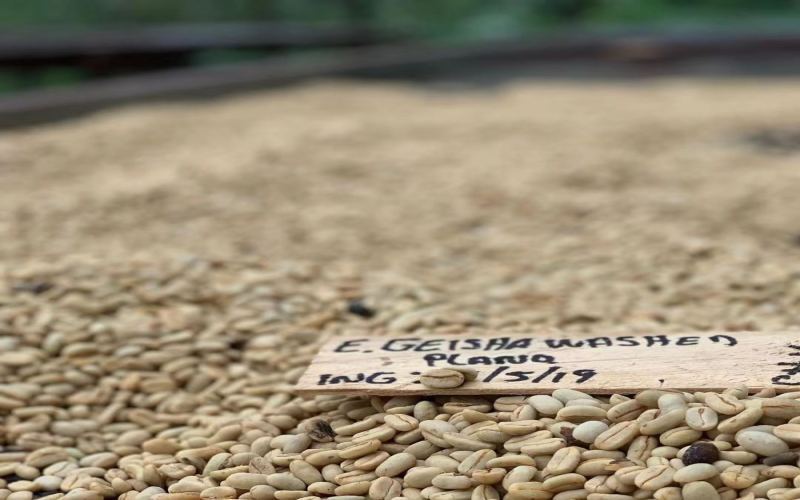
Exploring Costa Rica's Tarrazú Dota Region: A Comprehensive Analysis of Micro-Lot Geisha and Hacienda La Esmeralda Auction Geisha
Geisha and Yirgacheffe are actually the same type of coffee, transliterated from Japanese. This article begins with the red, green, and blue label classifications of Panama's Hacienda La Esmeralda, sorting out its strict quality control and auction lot standards, and tracing Geisha's legendary path from the forests of Ethiopia to Kenya, Tanzania, Costa Rica, and then to Panama, where it rose to fame. It also delves into Gesha Village to explain the variety differences between Gori Gesha and Gesha 1931, the meanings of the OMA and SURMA block numbers, and the traceability system for natural process lots. Finally, it presents complete information on three products launched by Front Street Coffee: Ethiopia Gesha Village Natural, Panama Hacienda La Esmeralda Red Label Washed, and Costa Rica Tarrazú Dota Goddess Estate Geisha. [more…]
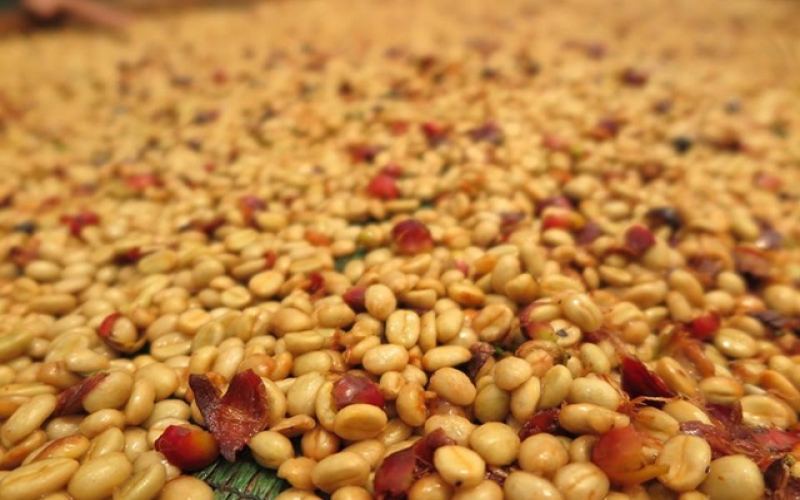
Costa Rica Dota Estate Washed Geisha: Exploring the Top Coffee Flavors of the Tarrazu Region
Costa Rica, a country nestled in the Central American isthmus, has conquered the taste buds of countless coffee lovers with its honey-processed coffee beans. Front Street Coffee's bean list features six Costa Rican beans year-round, which speaks volumes about their exceptional quality. Today we introduce this Front Street Mirasu Geisha Blend, from Costa Rica's highest-altitude Tarrazu region, centered on 50% Geisha variety, blended with ET47, SL28, MAICO and other varieties, processed as raisin honey, presenting rich layers of jasmine floral notes interwoven with strawberry berry flavors. Front Street's roaster uses a medium roast, and the barista uses a high temperature of 93°C, a finer grind, and a V60 dripper with a three-stage pour, striving to release the sweetness and aroma of this bean to the greatest extent. [more…]
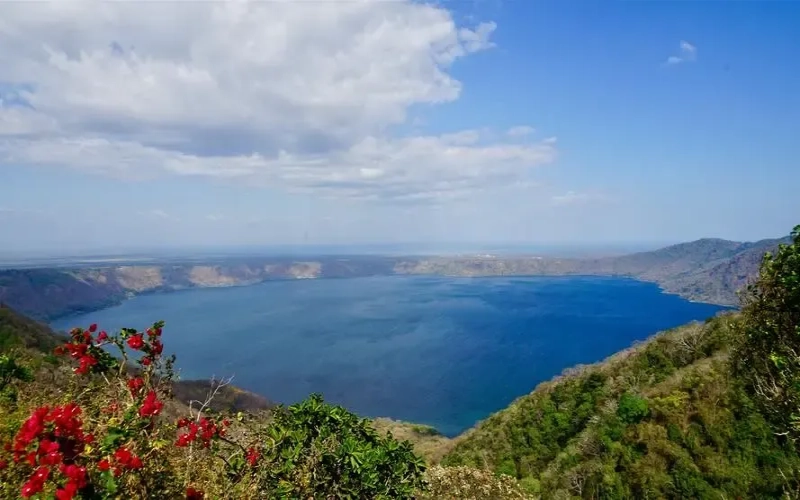
A Deep Dive into Don Cayito: A Renowned Estate in Costa Rica's Tarrazú Region
Although Costa Rica is not a large country, it is a force to be reckoned with on the coffee map of Central America. As the world's fourteenth-largest coffee producer, it has seven regions each with its own terroir, among which Tarrazu is known for its high altitude, ample rainfall, and the nourishment of warm, moist Pacific air currents, and is also a concentration of Cup of Excellence (COE) award-winning estates. At the 2024 COE, Don Cayito won first place with 93.62 points, once again making this family estate the center of attention. This article will guide you through Costa Rica's coffee geography and take a deep dive into the Santa Maria de Dota area of Tarrazu, sorting out Don Cayito's variety structure, family management lineage, and COE track record over the years, while also including Front Street Coffee's recommendation information for this estate, as a reference for coffee lovers when making purchases. [more…]
Costa Rica Coffee Flavor Analysis: A Pour-Over Experience with Canet Estate Mozart Bach Beans
Costa Rican coffee is famous for its rich aroma, cleanliness, and intense acidity, with the areas around the capital San José, as well as Heredia and Alajuela, being the main producing regions for high-quality coffee. Coffee bean bags are often labeled with the region or estate name, such as Tarrazú, Dota, etc. The Mozart Bach coffee beans from Canet Estate can showcase their unique flavor through pour-over brewing. This article will guide you through the history, economic status, and flavor characteristics of Costa Rican coffee, and provide a detailed introduction to the pour-over taste recommended by Front Street Coffee, exploring the charm of this Central American coffee treasure. [more…]
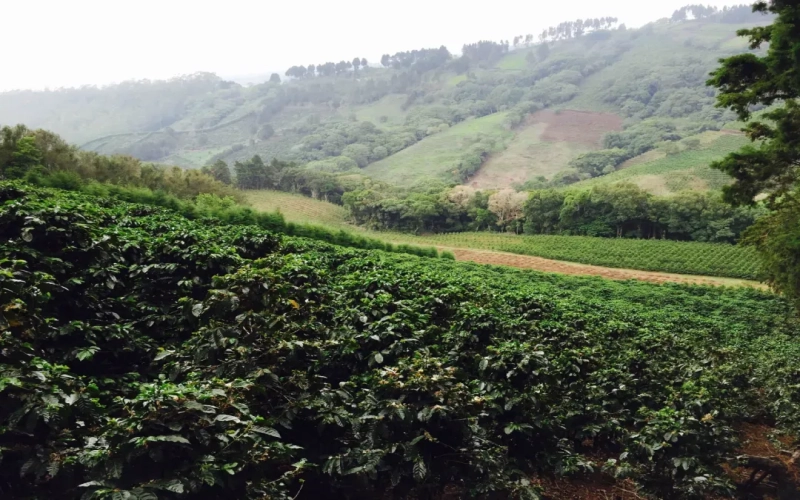
Exploring Costa Rica's Tarrazú Highlands: Coffee Cultivation at Finca Voo and Its COE Competition Success
Costa Rica is a pioneer of coffee cultivation in Central America and has now ranked as the world's fourteenth-largest coffee producer. Surrounded by volcanoes and with a mild climate, it provides ideal conditions for coffee growing. Among its seven major production regions, Tarrazu is the most famous, drawing attention for its high altitude and outstanding performance in the Cup of Excellence (COE). Located in the Copey de Dota area of Tarrazu, Finca Voo sits at an altitude of 1,960 meters and belongs to Café Solís & Cordero S.A. In recent years, it has repeatedly achieved excellent results in COE competitions. Front Street Coffee will take you deep into the terroir of this highland production region and the story of Finca Voo's rise. [more…]
Exploring Costa Rica's Diamond Mountain Estate: Classic Coffee Flavors and Honey Processing in the Tarrazú Region
Costa Rican coffee was introduced from Cuba in 1779 and began to be exported in 1820, giving it a history of more than two hundred years. The country is dotted with volcanoes, and its climate is regulated by both the Pacific and Atlantic ocean currents, nurturing a classic coffee flavor that is balanced, clean, and mild. Among the seven major producing regions, Tarrazu is renowned for its outstanding geographical conditions and meticulous cultivation management. Finca Montanas del Diamante is located in the Dota Valley of Tarrazu, at an altitude of 1,750 to 1,850 meters, where it grows the Red Catuai variety, with the Gutierrez family managing 50 hectares of coffee plantations. This article will guide you through the cultivation background of Costa Rican coffee, the honey processing trend, and the flavor performance of Front Street Coffee's selected batch from Finca Montanas del Diamante. [more…]
Costa Rica Tarrazu Diamond Mountain Estate Red Honey Processed Coffee: A Complete Analysis of Flavor, Mouthfeel, and Aroma
The Tarrazu region of Costa Rica has long been famous for its balanced, clean classic flavors, while the red honey-processed strictly hard bean from Diamond Mountain Estate adds richer sweetness and layers on top of this classic profile. This article provides a comprehensive interpretation of this Front Street Coffee-selected Costa Rica Diamond Mountain high-grown strictly hard bean red honey coffee, from the region's terroir and the estate's background to the characteristics of the processing method and actual cupping performance, helping you understand why it can present a captivating combination of sweet jujube, brown sugar, caramel cocoa, and rounded acidity, while also offering a glimpse into the history of Costa Rica's coffee industry and the distribution of its seven major producing regions. [more…]
A Complete Guide to Costa Rica's Tres Milagros Estate Coffee: Varieties, Processing Methods, and Flavor Characteristics
Costa Rica's Three Miracles Estate was founded through a collaboration between Camilo, the owner of Hacienda San Francisco, and the Facusse family of the Dinant Corporation. Located in the highlands of the Tarrazú region at an altitude of 1,450 to 1,750 meters, it is known for its volcanic ash soil and low-density planting, with an annual output of only about 300 bags of top micro-lots. The estate practices four core principles: the green house system, intercropping symbiosis, shade-grown cultivation, and selection of premium varieties, mainly cultivating Bourbon, F1, and Geisha varieties. Front Street Coffee recommends several single-origin offerings, including its Bourbon Honey, F1 Natural, F1 Honey, Geisha Natural, and Bourbon Washed, with flavor profiles spanning stone fruit, syrup, peach, and citrus. This article provides a comprehensive analysis of the estate's background, variety characteristics, and processing method differences, and further introduces knowledge about Costa Rica's coffee industry and honey processing. [more…]
Costa Rica San Isidro Labrador Estate: Honey-Processed Geisha Coffee Bean Flavor and Brewing Analysis
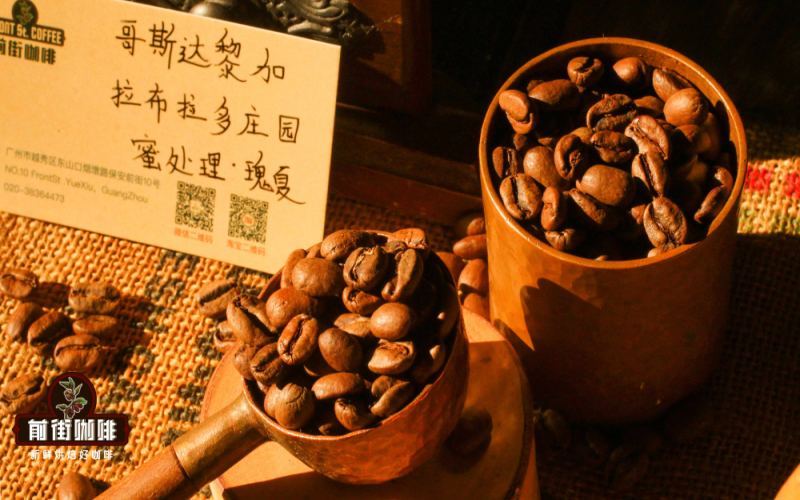
Hacienda San Isidro Labrador is located on the slopes of Santa María de Dota in the Tarrazú region of Costa Rica, at an altitude of about 1,950 meters, with a microclimate featuring distinct dry and rainy seasons. The estate owner, John Monge Naranjo, is a third-generation coffee farmer who once switched careers to land surveying, and after retiring, he returned to the coffee business, now running it together with his son Matías, and in recent years they have achieved repeated success in COE auctions. This time, Front Street Coffee has acquired the estate’s honey-processed Geisha, with flavors of cherry, orange, yellow peach, floral notes, and oolong tea. The article will introduce the estate’s background, processing method, and cupping performance, and share Front Street Coffee’s medium-light roast recommendation and Hario v60 three-pour brewing parameters, letting you experience this bean’s juicy mouthfeel and elegant floral aroma. [more…]
A Complete Guide to Costa Rica's Tarrazú Region: Flavor Codes from the Saints' Valley to Origin Certification
When it comes to Costa Rican coffee, the first name that comes to most people's minds is Tarrazú. This producing region is not only the country's earliest coffee calling card to obtain a designation of origin certification, but also carries a flavor legend that journeyed from the Valley of Saints to the world stage. This article will guide you through an in-depth understanding of Tarrazú's geographical origins, climatic conditions, and varietal composition, analyze the protective significance behind the 2019 registration of its appellation of origin, and taste the unique charm of the washed Tarrazú in Front Street Coffee's everyday beans series. Whether you are a newcomer to coffee or a seasoned enthusiast seeking to advance your knowledge of producing regions, you will gain a complete understanding of this land and the flavors in the cup. [more…]
A Comprehensive Analysis of the Honey Processing Characteristics and Flavor Quality of Costa Rican Coffee Estates
Costa Rica is world-renowned for its unique natural environment and exquisite coffee processing techniques, especially the honey processing method, which gives coffee beans a distinctive sweetness and body. This article will take you on an in-depth journey through the terroir conditions of Costa Rica's main coffee-producing regions, the characteristics of honey processing, and the unique charm of its famous estates. Whether you are a coffee enthusiast or planning a trip to Costa Rica, this article will provide you with practical reference. Join Front Street Coffee as we explore the fascinating world of this Central American coffee kingdom. [more…]
What are the representative estates in Costa Rica's Tarrazú region? An analysis of Hacienda Cedral's characteristics and honey processing method
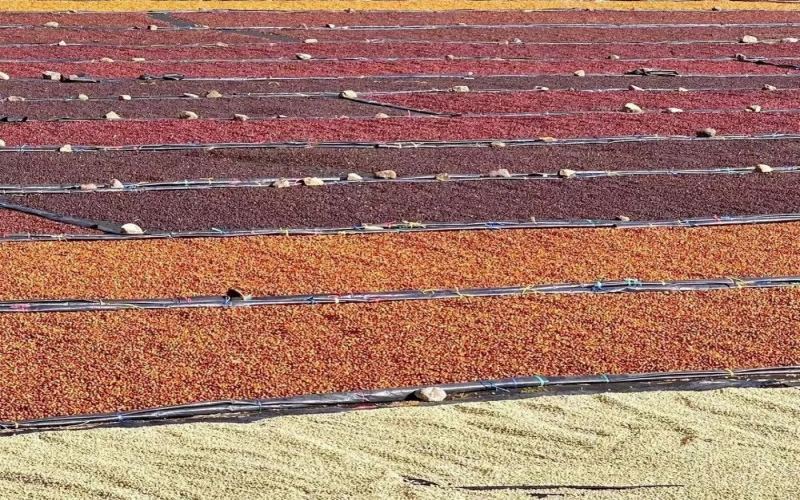
Costa Rica was the first country in Central America to cultivate coffee for commercial value. Its high-altitude mountains, volcanic soil, and abundant rainfall have nurtured many well-known producing regions and estates. Among them, Tarrazu is the country's largest and most renowned coffee-producing region, and in 2019 it even obtained origin certification from the EU and WIPO under the name "Café de Tarrazú." This article will focus on El Cedro estate in the Tarrazu region, introducing its family background, microclimate environment, Geisha cultivation, and its multiple championship performances at the Cup of Excellence (COE), while also outlining the origins and craft evolution of honey processing in Costa Rica, and mentioning the Tarrazu entry-level selection in Front Street Coffee's everyday beans series. [more…]
King Bourbon Coffee Variety Analysis: From Origin History to Flavor Profile and Brewing Parameters
In the Bourbon coffee family, besides the common Red Bourbon, Yellow Bourbon, and the Pink Bourbon that has gained popularity in recent years, there are also some extremely rare members worth noting. Bourbon Rey is one of them, currently found only at the Dota Estate in Costa Rica. This coffee tree differs in form from common Bourbon varieties, and its beans are noticeably larger. Front Street Coffee brewed a pot of Bourbon Rey using an anaerobic honey process this time, employing staged extraction to showcase its flavor layers. This article will introduce the variety origin, plant characteristics, and actual brewing performance of Bourbon Rey, helping you get to know this little-heard Bourbon variant. [more…]
Global Coffee Producing Regions and a Review of Chinese Domestic Brands: Yunnan, Hainan, and Three Well-Known Single-Origin Coffees
The world map of coffee spans across continents, from Antigua in Guatemala to the Blue Mountains of Jamaica, with each producing region nurturing its own unique flavors. Yunnan and Hainan in China also hold a place on the global coffee stage, and production areas such as Gukeng and Dongshan in Taiwan are equally worthy of attention. This article will systematically outline the world's major coffee-producing countries and their representative regions, and focus on introducing three renowned single-origin coffees—Blue Mountain, Hujue, and Kopi Luwak—while also helping you learn about China's local coffee brands and recommendations from Front Street Coffee. Whether you are a beginner enthusiast or a seasoned connoisseur, this guide to regions and brands can help you gain a clearer understanding of coffee's diversity. [more…]
Coffee Encyclopedia: A Complete Analysis of Global Coffee Bean Species Classification, Major Producing Regions, and the Flavor Characteristics of Classic Bean Varieties
The world of coffee beans is far richer than we might imagine. From the three botanical original species—Arabica, Robusta, and Liberica—to dozens of origins across Latin America, Africa, the Middle East, and Asia-Pacific, and on to classic single-origin beans such as Blue Mountain, Mandheling, and Mocha, every bean carries the imprint of its terroir and craftsmanship. This article systematically sorts through the original species classification of coffee beans, the world's major producing regions, and representative bean varieties, and explains in detail the taste characteristics and roasting suggestions of famous coffee beans. Whether you are a beginner enthusiast or a seasoned player, this guide can help you understand the cup of coffee in your hands more clearly. If you want to put it into practice, you can follow Front Street Coffee's related product recommendations. [more…]
Costa Rica 2024 COE Washed Category Champion Hacienda Santa Teresa: An In-Depth Analysis
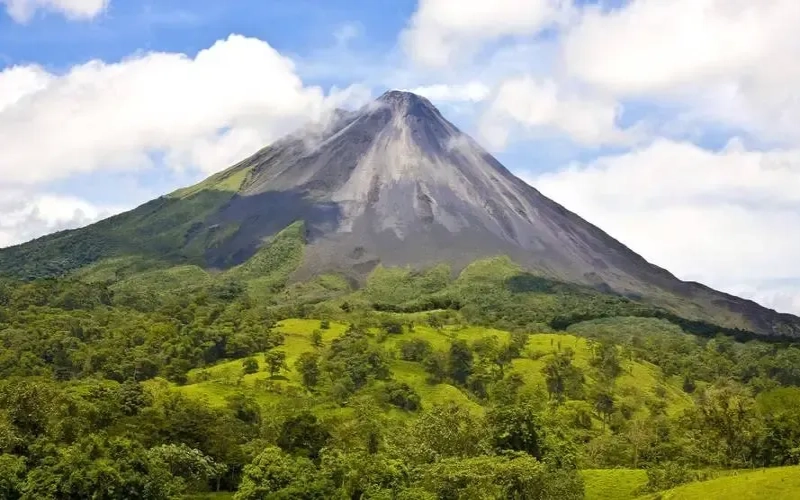
The 2024 Costa Rica COE competition washed category champion was won by Hacienda Santa Teresa with a score of 92.04. What exactly makes this estate, located in the Tarrazú production region, so unique? As a major coffee powerhouse in Central America, Costa Rica has seven distinctive production regions, among which the Los Santos area attracts much attention because of Tarrazú's fame. Hacienda Santa Teresa is situated in the high-altitude zone of the Cordillera Central at 1,900-2,050 meters, cultivating varieties such as Geisha, Sudan Rume, and Pacamara, and has long participated in the Blue Flag environmental certification program. This article will guide you through Costa Rica's coffee terroir, its production region divisions, and Hacienda Santa Teresa's progression from eighth place in the 2022 COE to champion in the 2024 washed category. Front Street Coffee will also recommend related products for you. [more…]
A Comprehensive Analysis of the Characteristics of Costa Rican Coffee Regions and the Green Bean Grading System
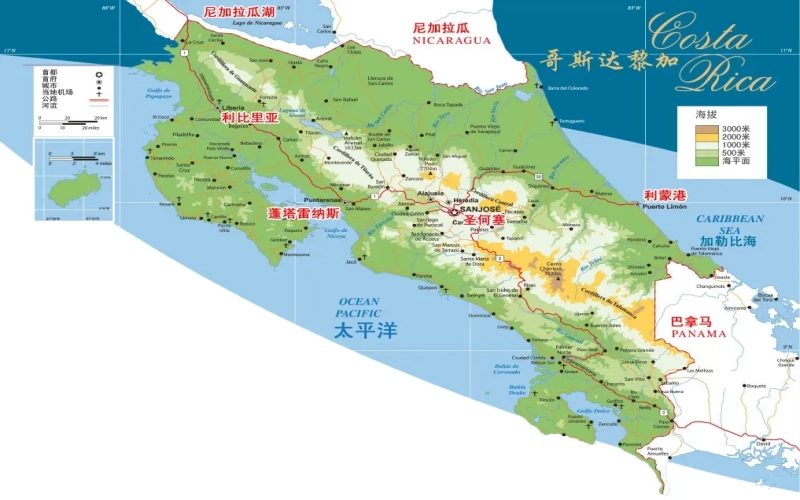
Costa Rica is one of the first countries in Central America to grow coffee for commercial purposes, and thanks to its volcanic soil, high altitude, and mild climate, it produces high-quality Arabica coffee beans. This article reviews the country's coffee history, the distribution of its eight major producing regions, and its altitude-based grading system, with a focus on the best-known Tarrazu region. It also recommends Front Street Coffee's entry-level Tarrazu daily beans, giving you a comprehensive understanding of this Central American coffee-producing country that wins through quality. [more…]